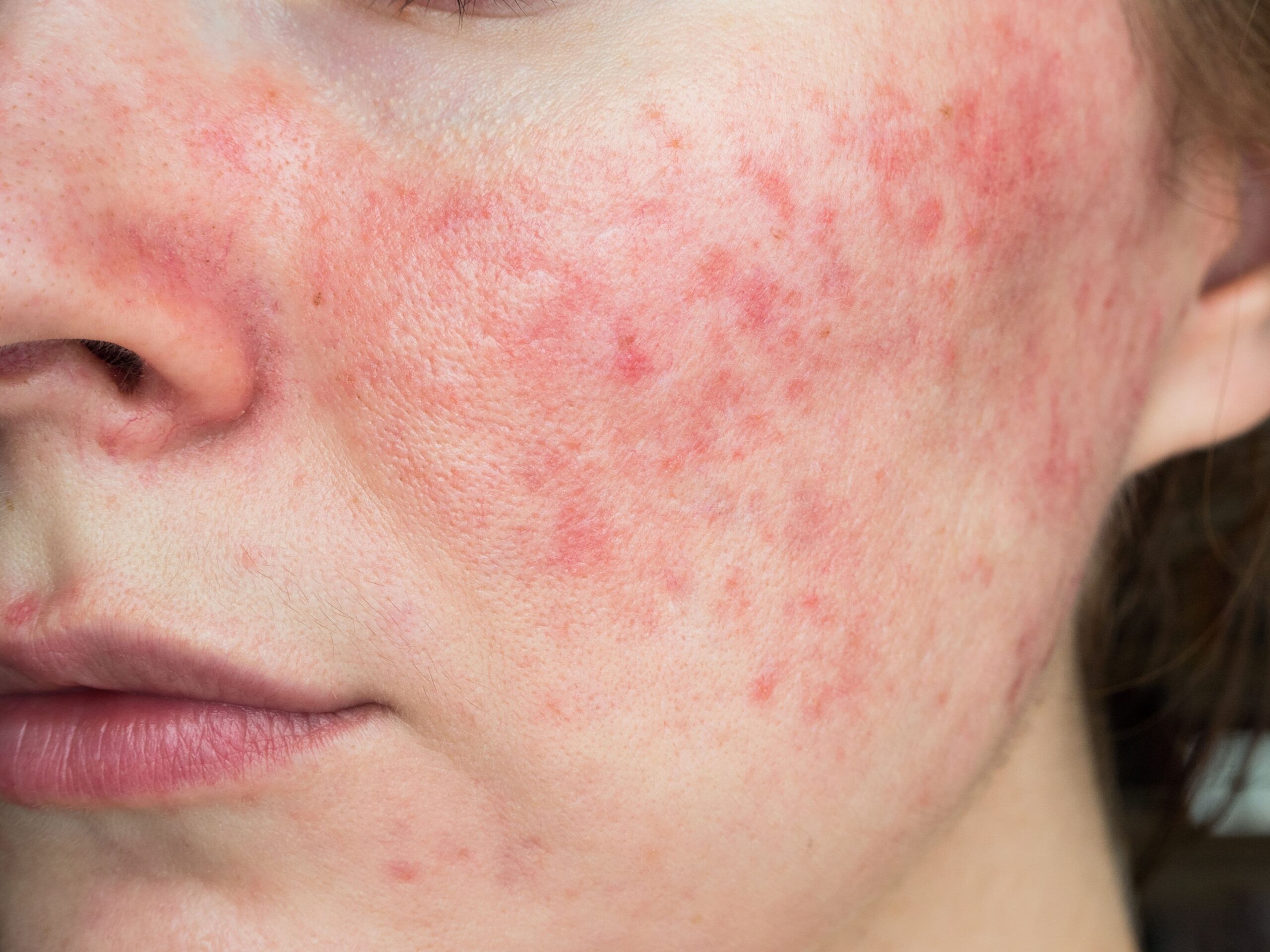
Understanding Rosacea
Rosacea is a chronic skin condition characterized by facial redness, visible blood vessels, and sometimes acne-like bumps. It commonly affects adults, especially those with fair skin, and can significantly impact one's self-esteem and quality of life.
Various triggers can exacerbate rosacea symptoms, including sun exposure, hot beverages, spicy foods, and emotional stress. Understanding these triggers is crucial for effective management and treatment, allowing patients to minimize flare-ups and maintain healthier skin.
Benefits of Laser Treatments for Rosacea
Laser treatments offer a range of benefits for individuals suffering from rosacea, primarily by targeting and reducing redness and visible blood vessels. These treatments work by delivering precise wavelengths of light that penetrate the skin, effectively treating the underlying vascular issues.
Patients often experience significant improvements in skin texture and tone, leading to enhanced confidence. Additionally, laser treatments are minimally invasive, with little to no downtime, making them a convenient option for those looking to improve their skin's appearance without extensive recovery periods.
What to Expect During a Laser Treatment Session
During a laser treatment session for rosacea at Vida Dermatology, patients can expect a thorough consultation to discuss their specific skin concerns and treatment goals. The procedure typically involves applying a cooling gel to the skin before the laser is applied, ensuring maximum comfort throughout the process.
Each session lasts approximately 30 minutes to an hour, depending on the extent of the treatment area. Most patients report only mild discomfort, akin to a rubber band snap, and can resume normal activities shortly after the procedure, with some redness that usually subsides within a few hours.
Post-Treatment Care for Rosacea
After undergoing laser treatment for rosacea, proper post-care is essential to optimize results and promote healing. Patients are advised to avoid sun exposure and use a broad-spectrum sunscreen to protect the treated area from UV rays, which can exacerbate redness.
Additionally, it is recommended to keep the skin moisturized and to refrain from using harsh skincare products for a few days following treatment. Following these guidelines can significantly enhance the effectiveness of the treatment and contribute to long-term skin health.