

VIDA Dermatology’s Third Anniversary
As VIDA Dermatology marks its three-year anniversary, we want to take this opportunity to reflect on our clinic’s unwavering commitment to enhancing the lives of our patients. VIDA was founded on the principles of family, compassion, and expertise. We are redefining the standard of dermatological care and are dedicated to building lasting relationships with our…
How to Prevent Rosacea Flare-Ups
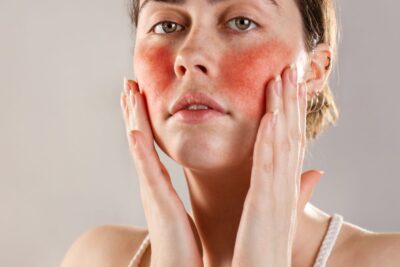
Rosacea is a chronic skin condition that affects millions of individuals, causing redness, visible blood vessels, and sometimes small, red bumps on the face. While there is no cure for rosacea, managing and preventing flare-ups is possible with the right strategies. Let’s take a look at what you can avoid to prevent facial flushing and…
What Causes Rosacea?
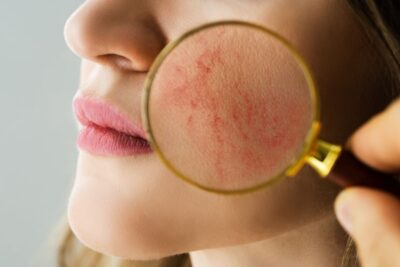
Dealing with persistent facial redness and skin concerns can be challenging, and for many, rosacea adds an extra layer of frustration. If you find yourself wondering why your skin is acting up, you’re not alone. Whether it’s you or someone you care about going through this, understanding is key to facing the challenges of rosacea.…
What is the Most Effective Treatment for Rosacea?
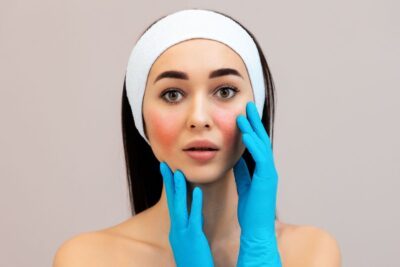
Living with rosacea can be an ongoing challenge, as the persistent redness, visible blood vessels, and occasional flare-ups can impact your physical appearance, confidence, and daily life. It can be frustrating to deal with a skin condition that seems to have a mind of its own. If you’re concerned about the redness that refuses to…
Innovative Therapies and Regimens for Acne Management: A Comprehensive Review.
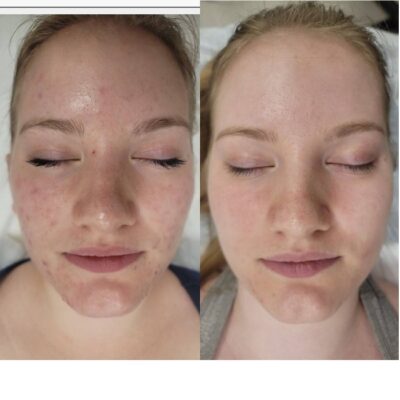
As a dermatological conundrum that afflicts millions worldwide, acne vulgaris presents unique challenges to clinicians and researchers alike. Despite the plethora of existing treatments, the persistent prevalence of this condition underlines the necessity of understanding and leveraging an array of therapeutic approaches. Let’s explore some of the leading treatment modalities, including microdermabrasion, chemical peels, Intense…

The Social and Emotional Impact of Hyperhidrosis!
Hyperhidrosis is a medical condition that is characterized by excessive sweating and can significantly impact an individual’s social and emotional well-being. It is vital to understand its psychosocial effects and impact on self-esteem, relationships, and daily activities. Let’s explore hyperhidrosis’ social and emotional consequences and discuss potential management strategies. What is Hyperhidrosis? Hyperhidrosis is a…
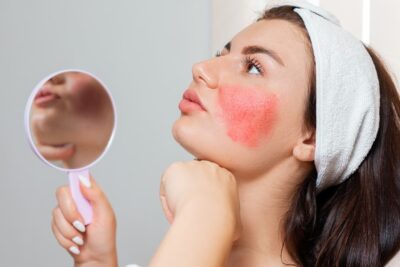
3 Key Questions Answered About Rosacea
A chronic inflammatory skin condition affects millions of people worldwide. Let us examine crucial questions and explore evidence-based treatment options for rosacea, including proper skincare regimens, laser therapy, and prescription medications. Q1) What are the Underlying Causes and Risk Factors of Rosacea? Rosacea is a multifactorial condition, and its exact etiology remains unclear. Nonetheless, recent…
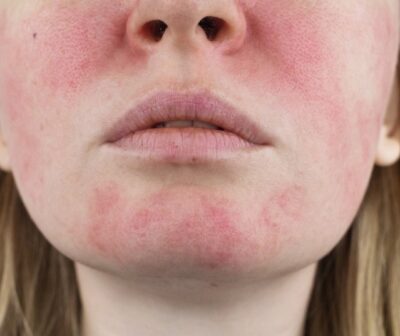
Living with Rosacea: Triggers, Coping Strategies and Self-Care Tips You Should Know!
Rosacea is a chronic, inflammatory skin condition affecting approximately 9.5% of the Canadian population (Mayo Clinic Proceedings, 2021). Often characterized by facial redness, visible blood vessels, and acne-like bumps, Rosacea can significantly impact an individual’s quality of life (QoL) (Journal of the American Academy of Dermatology, 2020). As a medical professional, understanding rosacea triggers and…
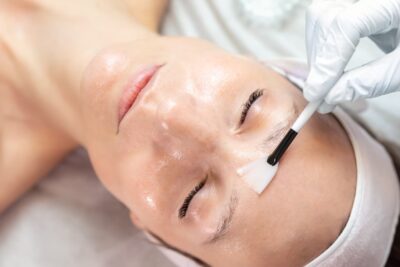
5 Benefits Of Chemical Peels That You Should Know About!
Chemical peels are a non-invasive cosmetic treatment that can help improve the skin’s appearance. They involve applying a chemical solution to the skin, removing the dead skin in the top layer, and revealing smoother, brighter, and more youthful-looking skin. Medical-grade chemical peels are administered by dermatologists and offer several benefits over spa-grade peels. There are several…
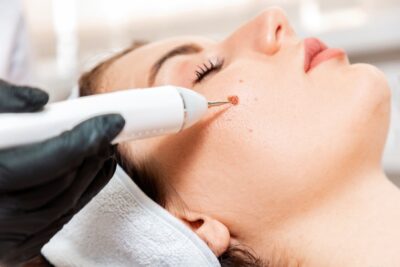
7 Things To Keep In Mind Regarding Mole Removal Treatment!
Moles, also known as nevi, are a common occurrence on the human skin. These dark or light-coloured growths can appear anywhere on the body and may be present from birth or develop later in life. While most moles are harmless (benign), some may be cancerous or have the potential to become cancerous, so it is…
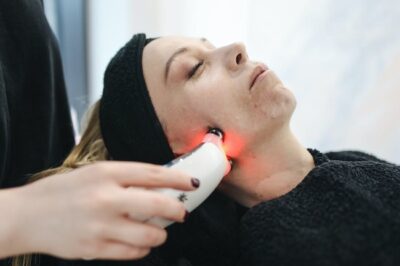
Scar Revision Treatments for your Face and Body
While some people look at their scars as a badge of honour, others want their scars to go away as they might still remind them of a traumatic incident and make them feel self-conscious. Scars form after you have been injured. It is part of your natural healing process. When the second layer of your…

Things to Know Before Considering Mole Removal
What Are Moles? Moles are common skin growths that can appear on the face and/or body. Almost everyone will have moles develop throughout their lives. Some individuals may want to remove their moles as it is growing, irritating, or cosmetically bothersome. For those considering mole removal options, there are a few things to keep in…
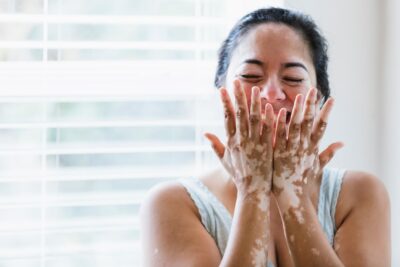
Vitiligo: 2 Reasons Why You Must Know About Phototherapy!
What is Vitiligo? Vitiligo is an autoimmune skin condition that prevents normal pigmentation of the skin, leading instead to the appearance of ‘white patches’ of skin. The underlying cause or trigger associated with this condition is not known at present. Vitiligo can affect people of any age, and can affect any areas of the skin,…

Newer Hyperhidrosis (Excessive Sweating) Treatment Options
Impacts of Excessive Sweating Hyperhidrosis, can be an embarrassing problem which is hard to conceal. Some individuals notice it early on in life, while for others it may occur as they age, or in certain physical or social situations. Further, physical discomfort, body odour, and increased risks for skin infections can also be caused by…
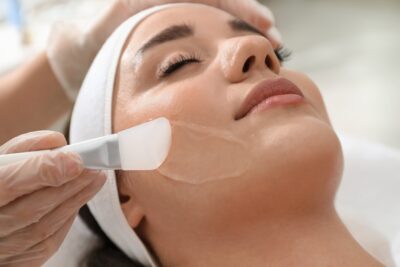
Why Chemical Peels Can Be an Important Part of Your Regular Skin Maintenance
Chemical peels can play an integral role in optimizing your skin’s health and it is one of our most popular procedures. Chemical peels offer a nonsurgical option for treating many skin concerns and help reclaim newer, fresher skin. They are a powerful tool to include in your regular skincare regimen. Read further to know more about the…
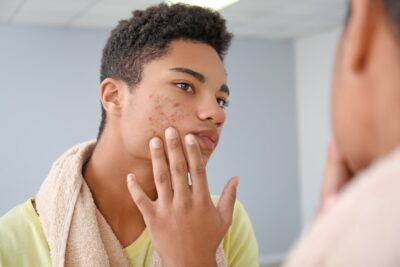
Why Acne Gets Worse in the Summer
Acne is the term used to describe the development of blackheads, whiteheads, pimples and cysts. It is one of the most common skin conditions. Acne most commonly affects the face and neck, but it can also affect the shoulders, back and upper arms. It is most common in teenagers but affects people of all…
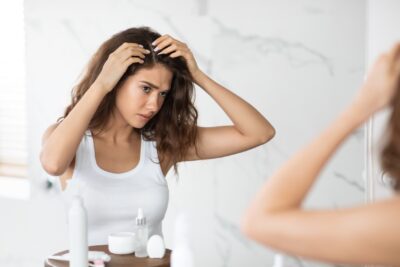
Dandruff
Seborrheic dermatitis, more commonly known as dandruff, is a condition that affects more than half of the population. Dandruff can flare in cold, dry seasons and presents as an itchy scalp, flakes on your scalp, hair, eyebrows, beard or mustache, and/or shoulders. While dandruff isn’t curable, it is manageable! There are many reasons…
Getting Ready to Spend Some Time in the Sun?
If you are planning to spend some time in the sun, it’s important to protect your skin from harmful UV rays. Use a sunscreen of SPF 30 or higher. Even on cloudy days. Apply sunscreen to all areas not covered by clothing. Don’t forget about hands, feet, ears, and lips. Dr. Kurian sees a surprising…